
Medical Disclaimer
This article provides general educational information about chiropractic care after car accidents. It is not medical advice. If you've been in an accident, please seek evaluation from a qualified healthcare provider.
If you've recently been in a car accident in Oregon, you may be wondering whether a chiropractor can actually help—and whether your insurance will cover it. The short answer to both questions is yes. This guide walks you through everything you need to know: from recognizing the signs you need care, to what happens at your first visit, to how Oregon's PIP insurance pays for it all.
Why Do People See a Chiropractor After a Car Accident?
Car accidents create sudden, violent forces that are particularly hard on your spine, neck, and surrounding soft tissues. Even a low-speed collision can cause your head to snap forward and back faster than your muscles can react—a motion that strains or tears the muscles, ligaments, and joints in your cervical spine.
While emergency rooms are the right first stop for serious injuries like broken bones or internal bleeding, they typically aren't equipped to address the soft tissue injuries that show up in the days after a crash. That's where chiropractors come in.
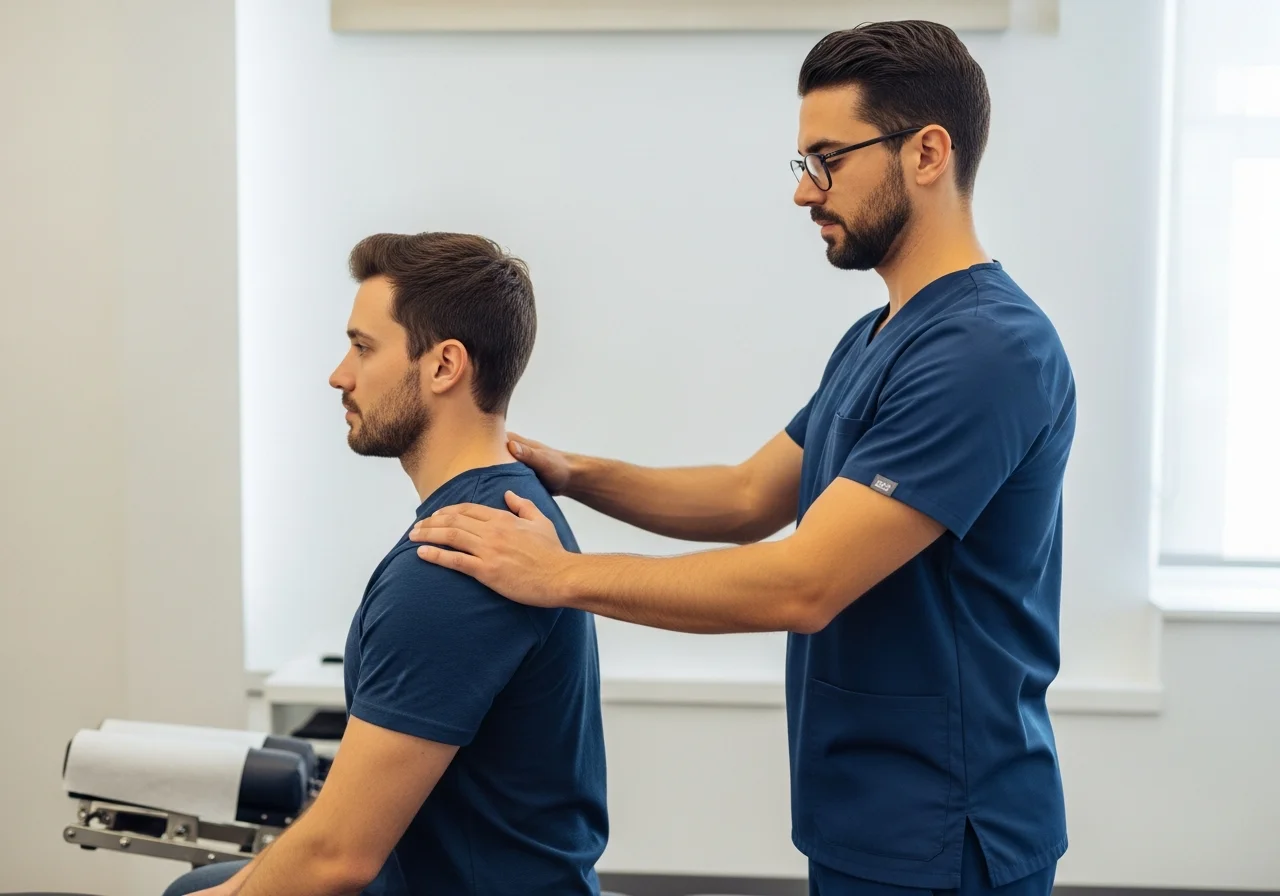
Chiropractors specialize in diagnosing and treating musculoskeletal injuries—exactly the kind most common in car accidents. They use hands-on techniques like spinal manipulation, soft tissue therapy, and targeted exercises to restore proper alignment, reduce inflammation, and get you moving again without pain.
Many crash victims find that chiropractic care helps them avoid long-term chronic pain that can develop if soft tissue injuries go untreated.
Signs You Need to See a Chiropractor After a Crash
You don't have to be in severe pain to benefit from a chiropractic evaluation. Watch for these common warning signs in the hours and days following an accident:
- Neck pain or stiffness — Often a sign of whiplash, even if it feels minor at first
- Back pain — Upper, middle, or lower back pain is extremely common after a crash
- Headaches — Especially headaches that start at the base of the skull and radiate forward
- Shoulder pain or tightness — Can radiate from spinal issues in the neck
- Numbness or tingling in arms or legs — May indicate nerve compression from a spinal injury
- Reduced range of motion — Difficulty turning your head or bending your neck
- Muscle spasms — Your muscles tightening up as a protective response to injury
- Fatigue or difficulty concentrating — Sometimes tied to the physical stress of soft tissue injuries
Don't Wait for the Pain to Get Worse
Adrenaline and inflammation often delay symptoms by 24 to 72 hours. Many people feel fine at the scene of an accident, only to wake up in significant pain two days later. Getting evaluated early—before symptoms fully develop—often leads to faster, more complete recovery.
Insurance companies also look for a "gap in care"—the time between your accident and your first treatment. Seeking care promptly protects both your health and your insurance claim. For more on why timing matters, see our guide on when to seek medical care after a crash.
What Happens at Your First Chiropractic Visit After an Accident?
If you've never been to a chiropractor before, it's natural to feel unsure about what to expect. Here's a typical rundown of your first visit:
1. Health History and Intake
Your chiropractor will start by asking about the accident—how it happened, what you felt at the time, and what symptoms you're experiencing now. Be as detailed as possible. This information shapes your treatment plan and creates a documented record for your PIP claim.
2. Physical Examination
Expect a thorough hands-on exam. Your chiropractor will check your posture, range of motion, muscle strength, and reflexes. They'll feel along your spine and surrounding muscles to identify areas of restriction, tenderness, or misalignment.
3. Imaging (If Needed)
Depending on your symptoms, your chiropractor may order X-rays to rule out fractures or identify alignment issues not visible from the outside. If a more serious injury is suspected, they may refer you for an MRI.
4. Initial Treatment
Many chiropractors will begin gentle treatment at your first visit, often including soft tissue work to reduce muscle spasm and improve circulation. A full spinal adjustment may follow once they've reviewed your examination findings.
5. Care Plan Discussion
Before you leave, your chiropractor should walk you through a recommended treatment plan—how often they suggest you come in, what techniques they'll use, and what milestones to expect along the way.
How Long Does Chiropractic Treatment Take After a Car Accident?
There's no one-size-fits-all answer, but here are reasonable expectations based on injury severity:
| Injury Severity | Typical Treatment Duration | Visit Frequency |
|---|---|---|
| Mild (minor whiplash, muscle strain) | 4–8 weeks | 2–3x per week initially |
| Moderate (significant soft tissue, disc irritation) | 2–4 months | 2x per week, tapering |
| Severe (disc herniation, nerve involvement) | 4–6 months or longer | Coordinated with specialist |
Most patients with mild to moderate injuries notice significant improvement within the first few weeks of consistent treatment. Your chiropractor will reassess regularly and adjust your plan as you progress.
The most important thing is consistency. Attending your scheduled appointments—even when you're feeling somewhat better—is essential for full recovery and protects you from setbacks.
Is Chiropractic Care Covered by Oregon PIP Insurance?
Yes. Oregon's Personal Injury Protection (PIP) insurance explicitly covers chiropractic care as a medically necessary treatment following a car accident.
Here's how it works:
- Oregon law requires every auto insurance policy to include PIP coverage — it's not optional
- PIP covers up to $15,000 in medical expenses per person, including chiropractic visits, X-rays, and related therapies
- Coverage lasts up to 2 years from the date of your accident
- PIP pays regardless of fault — even if you caused the accident, your own PIP still covers your treatment
- No upfront cost — most chiropractors who work with auto injury patients bill PIP directly, so you don't have to pay out of pocket and wait for reimbursement
- No referral required — you can go directly to a chiropractor without a doctor's order
Using Your PIP Benefits
When you call to make an appointment, let the office know you were in a car accident and want to use your PIP benefits. They'll collect your insurance information and handle the billing. You shouldn't need to pay anything upfront for covered services.
For a full breakdown of how PIP works—including lost wages and other benefits—see our guide: Oregon PIP Insurance Explained.
Chiropractic vs. Physical Therapy After a Car Accident
This is one of the most common questions crash victims ask—and the honest answer is that both can be effective, often together. Here's how they differ:
| Factor | Chiropractic Care | Physical Therapy |
|---|---|---|
| Primary focus | Spinal alignment, joint mobility, nervous system | Strength, mobility, functional movement |
| Main techniques | Spinal manipulation, soft tissue therapy | Targeted exercises, stretching, modalities |
| Best for | Acute spinal pain, whiplash, restricted motion | Rebuilding strength, longer-term rehab |
| Covered by Oregon PIP? | Yes | Yes |
In practice, many accident injury patients benefit from both. You might see a chiropractor in the acute phase—when your neck or back is locked up and painful—and then transition to physical therapy as you regain mobility and focus on rebuilding strength. Some clinics offer both under one roof, which makes coordination simpler.
The right choice depends on your specific injuries and what your body responds to. A good chiropractor will tell you honestly if PT would serve you better at any point in your recovery, and can refer you accordingly.
How to Find a Trusted Chiropractor in Oregon After an Accident
Not all chiropractors have experience with auto injury cases. You want someone who:
- Has experience treating car accident injuries — specifically whiplash and soft tissue trauma, not just general wellness adjustments
- Accepts PIP billing — so you don't have to deal with the paperwork or pay out of pocket
- Documents your care thoroughly — detailed records protect your health and your claim
- Takes X-rays when clinically appropriate — to rule out structural damage
- Communicates with your other providers — if you're seeing a primary care doctor, neurologist, or attorney, your chiropractor should be willing to share records and coordinate care
Word of mouth from friends or family is a great start. You can also ask your primary care doctor for a referral, or use our directory of providers who specialize in exactly this kind of care.
Ready to Find Care?
Our Oregon Provider Directory lists chiropractors and other specialists who work with car accident patients and accept PIP billing directly. You can filter by location to find someone near you.
Key Takeaways
- Chiropractic care is one of the most effective treatments for the soft tissue injuries most common in car accidents
- You don't need to be in severe pain to benefit — early evaluation often leads to faster, more complete recovery
- Symptoms like neck pain, headaches, and back stiffness can be delayed 24–72 hours after a crash
- Your first visit will include a health history, physical exam, and the start of a personalized care plan
- Oregon PIP covers chiropractic care up to $15,000 with no out-of-pocket cost and no fault requirement
- Chiropractic and physical therapy are complementary — many patients benefit from both
- Look for a chiropractor with auto injury experience who accepts PIP billing directly