
What this page is / isn't
This is an educational overview of vehicle damage claims in Oregon. It is not legal advice. Coverage details vary by policy, and you should review your specific coverage with your insurer.
After an auto accident, dealing with vehicle damage can feel overwhelming. This guide walks you through the process, your rights, and how to ensure you get fair treatment from insurance companies in Oregon.
Who Pays for My Car Repairs?
There are two main paths for getting your vehicle repaired after a crash:
Option 1: File with the At-Fault Driver's Insurance (Liability Claim)
If the other driver caused the accident, you can file a liability claim against their insurance. This is also called a "third-party claim."
- Pros: No deductible to pay, doesn't affect your own policy
- Cons: May take longer while fault is determined, the other driver may be uninsured or underinsured
Option 2: File with Your Own Insurance (Collision Claim)
If you have collision coverage, you can file a claim with your own insurer regardless of who was at fault. Your insurer will then seek reimbursement from the at-fault party's insurance (called subrogation).
- Pros: Faster process, your insurer works for you
- Cons: You pay your deductible upfront (often refunded later if you weren't at fault)
No Collision Coverage?
If you only have liability insurance, you cannot file a collision claim with your own insurer. You must pursue the at-fault driver's insurance directly. If they are uninsured, you may need Uninsured Motorist Property Damage (UMPD) coverage, which Oregon insurers are required to offer.
What If I'm At Fault?
If you caused the accident, the other driver's vehicle damage is covered by your liability insurance. For your own vehicle:
- With collision coverage: Your insurer will pay for repairs minus your deductible
- Without collision coverage: You are responsible for your own repair costs
Being at fault may affect your insurance rates at renewal, depending on your policy and insurer's practices.
The Repair Process
Once you file a claim, here's what typically happens:
- File your claim by calling your insurance company or the at-fault driver's insurer
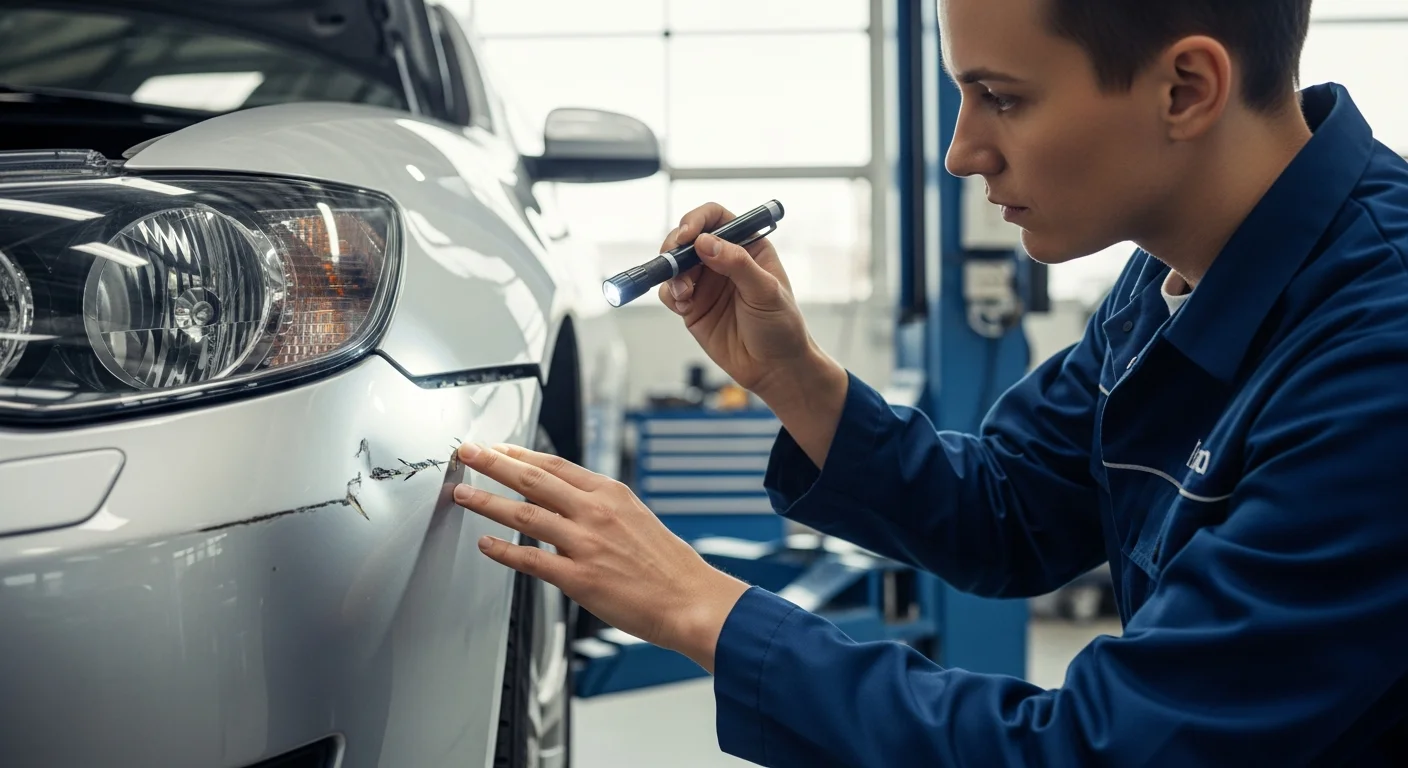
- An adjuster is assigned to evaluate the damage, either in person or through photos
- Get an estimate — the adjuster will provide an initial repair estimate
- Choose a repair shop and schedule repairs
- Repairs are completed — additional damage discovered may require a supplemental claim
- Payment is issued to you or directly to the shop
Your Right to Choose Your Own Repair Shop
In Oregon, you have the right to choose any repair shop you want. Insurance companies may recommend "preferred" or "network" shops, but they cannot require you to use them.
However, be aware:
- If your shop's estimate is higher than the insurer's, you may need to negotiate or request a re-inspection
- Preferred shops often have streamlined communication with insurers, which can speed up the process
- Some shops will negotiate directly with your insurer on your behalf
OEM vs. Aftermarket Parts
Insurance companies often authorize aftermarket parts (non-original manufacturer parts) for repairs because they cost less. In Oregon:
- Insurers must inform you if aftermarket parts will be used
- Aftermarket parts must be of "like kind and quality" to OEM parts
- You can request OEM parts, but you may need to pay the difference in cost
- If your policy includes OEM parts coverage, the insurer must honor it
What If My Car Is Totaled?
A vehicle is considered a total loss when the cost to repair it exceeds a certain percentage of its value (in Oregon, this is typically around 80%, though practices vary by insurer).
How Fair Market Value Is Determined
If your car is totaled, the insurer will offer you the vehicle's actual cash value (ACV) — what your car was worth immediately before the accident. They typically consider:
- Year, make, model, and trim level
- Mileage
- Condition (any pre-existing damage, maintenance records)
- Comparable sales in your area
- Optional features and upgrades
Tip: Document Your Car's Condition
Keep records of maintenance, receipts for upgrades (new tires, stereo, etc.), and photos of your vehicle's condition. This documentation helps prove your car's value if it's totaled.
How to Negotiate a Total Loss Settlement
If you believe the insurer's offer is too low:
- Ask for the valuation report to see exactly how they calculated the value
- Research comparable sales yourself using sites like Kelley Blue Book, Edmunds, or local listings
- Document unique features that add value (low mileage, new tires, recent repairs)
- Submit a written counter-offer with supporting evidence
- Request an independent appraisal if you can't reach agreement — Oregon policies typically include an appraisal clause
Gap Insurance
If you owe more on your car loan than the vehicle's actual cash value, standard insurance only pays the ACV. Gap insurance covers the difference between what you owe and what the car is worth. This is especially important for new vehicles that depreciate quickly.
What About a Rental Car?
While your car is being repaired (or while you're shopping for a replacement after a total loss), you may need a rental vehicle:
- Rental Reimbursement Coverage: If you have this optional coverage on your own policy, it pays for a rental car (up to policy limits) while yours is in the shop
- At-fault driver's insurance: If you're filing against the other driver's liability insurance, they typically cover "loss of use" — reasonable rental car costs while your vehicle is repaired or replaced
Be aware that coverage often has daily and total limits (e.g., $30/day up to $900 total). Confirm your coverage limits before renting.
Can I Claim Diminished Value?
Diminished value refers to the reduction in your car's resale value after it has been in an accident and repaired — even if repaired perfectly, a car with an accident history is worth less.
In Oregon:
- You may be able to claim diminished value from the at-fault driver's liability insurance
- You generally cannot claim diminished value from your own collision coverage
- Diminished value claims can be difficult — insurers often resist them, and you may need an independent appraisal to support your claim
Tips for Getting Fair Value
- Document everything: Take photos of damage before any repairs and keep all communication in writing
- Get multiple estimates: Even if you use your insurer's estimate, independent estimates give you negotiating leverage
- Review your policy: Understand what coverage you have before an accident happens
- Don't rush to accept: The first offer is often negotiable, especially for total loss claims
- Ask questions: If you don't understand something, ask your adjuster to explain
Common Questions
Can the insurance company force me to use used parts?
Insurers can authorize used parts of "like kind and quality," but you have the right to inspect replacement parts and reject any that don't meet reasonable standards.
What if the repair shop finds more damage during repairs?
This is common — hidden damage is often discovered once panels are removed. The shop will document the additional damage and request a supplement from the insurer to cover the extra cost.
What if I disagree with the insurance company's decision?
You can:
- Request a re-inspection or second opinion
- Invoke the appraisal clause in your policy
- File a complaint with the Oregon Division of Financial Regulation
- Consult with an attorney if you believe you're being treated unfairly
How long does the claims process take?
Simple repairs can be completed within a week or two. Total loss claims typically take 2-4 weeks. Complex claims with disputes can take longer.